🚗 Buying Your First Car in Latvia — Complete Beginner's Guide
Your first car is a big step. This guide covers everything you need to know before buying: how to choose, where to search, what to check, how much it costs, and how to properly handle the paperwork in Latvia.
📋 Table of Contents
1. 💰 Budget Planning — How Much Does a First Car Cost?
Before you start looking for a car, clearly define your budget. The cost of your first car isn't just the purchase price — there are many additional expenses that beginners often overlook.
Purchase Price
A good used car for a beginner in Latvia costs 2,000 — 6,000 EUR. Under 2,000 EUR you can find cars, but the risk of getting a problematic vehicle is high. Above 6,000 EUR — you can already get a relatively new and reliable car.
Additional First-Year Expenses
- 🔹 OCTA insurance: 200 — 600 EUR/year (new drivers pay more)
- 🔹 Vehicle tax: 40 — 800 EUR/year (calculate tax →)
- 🔹 Technical inspection: ~30 EUR
- 🔹 CSDD re-registration: ~35 EUR
- 🔹 Tires (winter set): 200 — 500 EUR
- 🔹 Fuel: 80 — 200 EUR/month
- 🔹 Maintenance and repairs: 200 — 1,000 EUR/year
💡 Tip
Set aside at least 500 — 1,000 EUR as a reserve for unexpected repairs. A first used car almost always requires some investment right after purchase.
2. 🎯 Choosing a Car — Best Makes for Beginners
Your first car should be reliable, fuel-efficient, and cheap to maintain. Don't chase prestige brands — an old BMW costs more to maintain than a newer Toyota.
Top 10 Cars for Beginners in Latvia
✅ Best Choices
- • Toyota Yaris/Corolla — virtually indestructible
- • VW Polo/Golf — most popular in Latvia
- • Škoda Octavia/Fabia — VW quality for less
- • Honda Civic/Jazz — reliable Japanese engineering
- • Mazda 3 — great driving experience, economical
⚠️ Better to Avoid as a Beginner
- • Old BMW/Mercedes — expensive maintenance
- • Old French cars — electronics problems
- • Cars with >300k km — high repair risk
- • Diesels under 2.0L — DPF problems
- • Cars without valid inspection — often hiding problems
Engine Choice
For beginners — petrol engine 1.4 — 1.8L. Diesel may seem more economical, but in city driving it requires more expensive maintenance (DPF filter, EGR valve). Petrol cars are simpler and cheaper to repair.
3. 🔍 Where to Search for a Used Car in Latvia
Classified Ad Portals
- 🔹 ss.lv — Latvia's largest classified portal, over 20,000 cars
- 🔹 autopase.lv — convenient search with VIN check and price history
- 🔹 auto24.lv — Baltic car portal
- 🔹 Facebook Marketplace — many private listings
Service Centers and Dealers
A dealer offers warranty, but the price is higher (10-20%). Buying privately is cheaper, but the risks are greater. Beginners are advised to buy from a private seller with an independent inspection.
Importing from Abroad
A car from Germany or Lithuania can be cheaper, but — customs, VAT, transport, and re-registration add 1,500 — 3,000 EUR in extra costs. For your first car — better to buy in Latvia.
4. 🔎 How to Check a Car Before Buying
This is the most important step. Never buy a car without a thorough inspection — even if the seller seems trustworthy.
Step 1 — VIN Check (from home)
Before going to see the car, check its VIN number. It will reveal accident history, real mileage, and whether the car has been stolen.
🔍 Free VIN Check at AutoPase.lv →
Enter the VIN number and find out the manufacturer, model, year, and country of origin — for free.
Step 2 — CSDD Data Check
In the CSDD system you can check registration data, technical inspection history, and mileage.
🏛️ CSDD check by registration number →
Step 3 — Visual Inspection (on site)
- ✅ Check the body — rust under doors, rear fenders, sills
- ✅ Compare paint tone across different panels (may indicate repairs)
- ✅ Inspect the engine bay — oil leaks, hose condition
- ✅ Check the tires — even wear indicates proper alignment
- ✅ Sit inside — seat, steering wheel, pedal wear vs. declared mileage
- ✅ Test all features — air conditioning, windows, lights
Step 4 — Test Drive
- 🔹 Drive for at least 20-30 minutes, including highway
- 🔹 Listen for knocking, squeaking, vibrations
- 🔹 Check the brakes — the car should not pull to one side
- 🔹 Check the gearbox — shifting should be smooth
- 🔹 After driving, check if anything is leaking under the car
Step 5 — Independent Diagnostics
Take the car to an independent service center (not the seller's shop). A full diagnostic costs 50 — 100 EUR and can save you thousands.
5. 🤝 Talking to the Seller and Negotiating the Price
Important Questions for the Seller
- 🔹 Why are you selling the car?
- 🔹 How long have you owned it?
- 🔹 Have there been any accidents or major repairs?
- 🔹 Is there a service book?
- 🔹 What was replaced in the past year?
- 🔹 Can I take it to my own mechanic for an inspection?
💡 Negotiation Tips
- • Always negotiate — in Latvia it's normal, a 5-15% discount is standard
- • Point out specific issues (tire wear, needed repairs)
- • Compare the price with similar listings
- • Never buy at the first viewing — come back another time
- • If the seller is rushing you — that's a red flag 🚩
6. 📄 Documents and Completing the Purchase
Required Documents
- 📋 Purchase-sale agreement — 2 copies, signed by both parties
- 📋 Vehicle registration certificate (technical passport)
- 📋 Seller's identity document (ID or passport)
- 📋 Proof of payment or bank transfer printout
- 📋 Service book (if available — that's a plus)
Purchase Agreement Contents
The agreement must include:
- • Full names, personal codes, addresses of both parties
- • Vehicle details: make, model, VIN number, registration number, year, color
- • Sale price (in numbers and words)
- • Odometer reading at the time of transaction
- • Seller's declaration that the car is free of encumbrances (loans, liens, seizures)
- • Date and signatures of both parties
⚠️ Important
Never understate the price in the agreement to "save on taxes." If the car later turns out to be defective or has hidden problems, you can only recover the amount stated in the agreement.
7. 🏛️ CSDD Registration — Step by Step
Re-registration Process:
- 1. Sign the purchase agreement
With both parties' signatures, in 2 copies
- 2. Buy OCTA insurance
In the new owner's name, at least for the registration day
- 3. Pay the vehicle operation tax
- 4. Book a CSDD appointment
Online: e.csdd.lv or by phone
- 5. Go to CSDD
Bring: agreement, passport/ID, registration certificate, OCTA policy, tax receipt
- 6. Receive your new documents
Registration certificate in your name (~35 EUR fee)
⏰ Deadline
The car must be re-registered within 5 business days after signing the purchase agreement. Late registration can result in a fine of up to 100 EUR.
8. 🛡️ Insurance — OCTA and KASKO
OCTA (mandatory)
OCTA is mandatory for every registered vehicle. It covers damages you cause to others in a traffic accident. Without OCTA — you cannot re-register the car and the fine is up to 750 EUR.
For a new driver, OCTA costs 250 — 600 EUR/year. The price depends on your age, experience, and the car's engine power.
KASKO (voluntary)
KASKO covers your own car's repair costs (accident, theft, vandalism, natural disaster). For a first car under 5,000 EUR — KASKO is usually not worth it (the premium can be 300-500 EUR/year).
9. ✅ First Steps After Buying Your Car
To-do List:
- ✅ Full oil change — even if the seller says it was just done
- ✅ Air and cabin filters — cheap and easy to replace
- ✅ Brake fluid — check, replace if needed
- ✅ Coolant — check level and condition
- ✅ Winter tires (if in season) — mandatory from December 1 to March 1
- ✅ Emergency kit — warning triangle, reflective vest, first aid kit
- ✅ Car wash and interior cleaning — a fresh start!
10. ❌ Common Mistakes When Buying Your First Car
1. Buying without checking VIN history
Result: getting a car with hidden accident history or tampered odometer
2. Not taking it to an independent mechanic
Result: discovering serious problems after purchase, when it's too late
3. Choosing a prestige brand with a large engine
Result: huge tax, expensive maintenance, high fuel consumption
4. Buying on impulse at the first viewing
Result: missed defects, overpaid price
5. Not planning for additional expenses
Result: spending all your money on the car, leaving nothing for repairs and insurance
❓ Frequently Asked Questions
How much does a first car cost in Latvia?
A good used car for a beginner in Latvia costs between 2,000 and 6,000 EUR. On top of that, factor in insurance (~200-500 EUR/year), vehicle tax (40-800 EUR/year), technical inspection (~30 EUR), and fuel. The total first-year budget should be at least 3,500-8,000 EUR.
What car should I buy as my first?
Beginners should choose a reliable, fuel-efficient car with a 1.4-1.8L engine. Popular choices: VW Golf/Polo, Toyota Yaris/Corolla, Opel Astra, Škoda Octavia, Honda Civic. Avoid older premium brand models — maintenance is expensive.
What documents are needed to buy a car?
For the purchase you need: passport/ID copy, purchase-sale agreement (2 copies), vehicle registration certificate, OCTA insurance policy in the new owner's name, and proof of payment. For CSDD re-registration — also a valid technical inspection report (if the inspection has expired).
How do I re-register a car at CSDD?
Re-registration at CSDD: (1) Sign the purchase agreement, (2) Buy OCTA insurance, (3) Pay the vehicle operation tax, (4) Go to CSDD with all documents. Re-registration fee is ~35 EUR. Deadline — 5 business days after purchase.
Should I get a technical inspection before buying?
Yes, definitely get an independent technical inspection before buying! A full diagnostic at a service center costs 50-100 EUR but can reveal hidden problems worth thousands. Also check the VIN history with AutoPase.lv VIN check.
How to check a car before buying?
A complete pre-purchase check includes: (1) VIN check (history, mileage, accidents), (2) CSDD data check, (3) Visual inspection (rust, paint, tire wear), (4) Test drive, (5) Independent diagnostic at a service center, (6) Document check (registration, inspection validity).
📚 Related Guides
🚗 Live listings
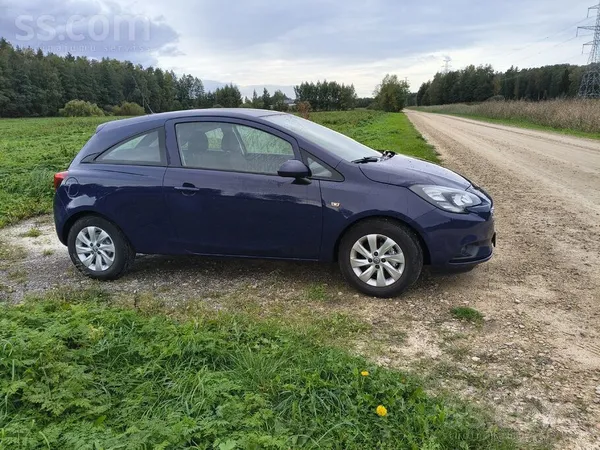
Opel Corsa

Audi A6

BMW 320
