Used Cars in Latvia, how to buy safely without overpaying
Latvia has a large used car market, but the gap between a smart buy and an expensive mistake is usually history, not appearance. If you are an expat, international buyer, or simply prefer English, this guide shows you what matters most before you send a deposit or sign anything.
Check market reality
Use live listings to understand what fair pricing looks like in Latvia.
Verify CSDD data
Confirm the local registration and technical record before a viewing.
Run VIN history
Look for mileage gaps, crash history, theft flags, and ownership issues.
Inspect paperwork
Do not pay until ownership, contract terms, and registration path are clear.
Start with the Latvian market, not the seller story
A clean ad description does not prove value. Before you inspect any specific car, compare it with current asking prices in Latvia. This gives you a pricing anchor and makes it easier to spot cars that are suspiciously cheap, overpriced, or likely to hide deferred repairs.
For live pricing context, review best value used cars in Latvia first. If a seller claims a car is a bargain, you should be able to see why from the market, not from their words alone.
You can also search all used cars in Latvia and filter the full catalogue by brand, price, body type and fuel to build your own pricing baseline before you contact any seller.
Browse the Latvian used-car market by category
Explore live inventory across 25 416 active listings. Every shelf below opens a filtered view of real cars currently for sale in Latvia, so you can anchor your budget before contacting a seller.
Browse all used cars →Browse by brand
Browse by body type
Browse by price
Browse by fuel
Use CSDD early, but do not stop there
Every serious used car buyer in Latvia should understand the role of CSDD. It is the fastest way to confirm core local data and check whether the car matches what the seller says.
Our full CSDD check guide explains what to read and what can still be missing. CSDD is great for local facts, but it does not replace a full history review when a car has been imported or repaired abroad.
What CSDD helps with
- • Registration and technical details
- • Inspection related context
- • Basic local record validation
- • Quick mismatch detection before a viewing
What CSDD does not solve alone
- • Foreign accident history
- • Imported mileage inconsistencies
- • Insurance total loss records from other countries
- • Poor repairs hidden behind a fresh wash and polish
VIN history is where the expensive surprises usually appear
If the seller hesitates to share the VIN, treat that as a warning. A confident seller knows the car can survive scrutiny. A serious buyer should always review history before travel, negotiation, or deposit.
Use the free VIN check guide to understand which data is available at no cost and where paid history reports become worth it.
Red flags a VIN review can uncover
Imported cars need extra caution, especially when the paperwork feels too easy
Latvia has many imported vehicles. That can be good for choice, but it also means more room for hidden damage, missing service evidence, and mileage manipulation before the car reaches the Latvian market.
One of the most common buyer journeys is comparing local stock with imports coming through Lithuania. If that is part of your shortlist, read our guide on cars from Lithuania before you commit.
Pause the deal if you see any of these
- • The seller refuses a VIN check or independent inspection
- • Service history exists only as screenshots or vague claims
- • The car is priced far below similar Latvian listings without a solid reason
- • Paint, panel gaps, or interior wear do not match the stated mileage
- • Ownership chain and import path are hard to explain clearly
Paperwork decides whether the purchase stays simple
Buyers often focus on the test drive and forget the legal side until the final hour. That is where stress, rushed signatures, and bad decisions happen. Review the contract, ownership details, and registration path before money moves.
Fast buyer checklist for used cars in Latvia
- 1. Compare the asking price with the broader Latvian market.
- 2. Review CSDD data before arranging a long visit.
- 3. Run VIN history before deposit or negotiation.
- 4. Inspect body panels, tires, glass, lights, and cold start behavior.
- 5. Confirm service evidence, ownership chain, and IDs.
- 6. Read the contract carefully and plan registration in advance.
- 7. Walk away when the story is better than the evidence.
🚗 Live listings

Ford Transit
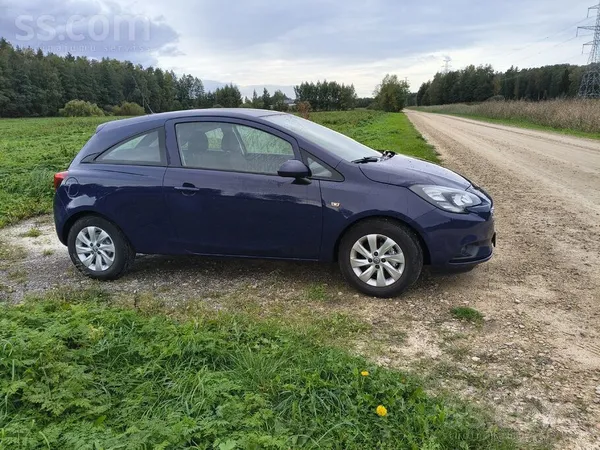
Opel Corsa

Volkswagen Golf 7

Audi A6
Next reading
CSDD Check
Understand the local record before you trust the ad.
Cars from Lithuania
Important if your shortlist includes imported stock.
Free VIN Check
Start history screening before any deposit.
Used Car Check
Broader inspection framework for buyers in Latvia.
Red Flags
Spot the patterns that usually lead to regret.
Best Value Cars
Anchor your negotiations with live market context.